
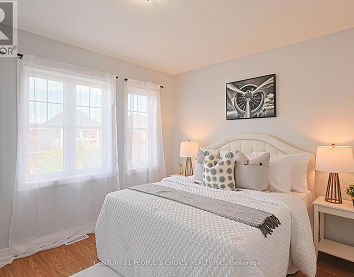
Selling your home can be stressful — but staging it right makes all the difference.
This ultimate 2026 guide will teach you how to stage your home for sale step-by-step, so you can attract more buyers, get faster offers, and maximize your sale price.
Why Is Home Staging So Important?
Over 90% of buyers start their home search online. Your listing photos are the first impression. Staged homes:
- Sell up to 50% faster
- Receive higher offers (sometimes 5-10% more)
- Attract more showings and online clicks
- Help buyers visualize living there
Staging isn’t just decorating — it’s strategic marketing.
Step 1: Declutter and Depersonalize
Clutter distracts buyers and makes rooms feel smaller. Here’s what to do:
- Pack away personal photos and collections
- Remove excess furniture — aim to open up floor space
- Clear countertops and shelves
- Organize closets to showcase storage potential
Why? Buyers want to imagine their belongings in your space, not yours.
Step 2: Deep Clean Every Corner
Cleanliness signals a well-maintained home. Focus on:
- Washing windows inside and out for maximum light
- Cleaning baseboards, vents, and ceiling fans
- Scrubbing bathroom grout and fixtures
- Polishing kitchen cabinets and countertops
- Vacuuming and shampooing carpets or mopping floors
Even minor stains or odors can turn buyers away.
Step 3: Paint with Neutral Colors
Bright or bold colors can limit buyers’ imagination. Paint walls with:
- Soft whites
- Light grays
- Warm beiges or greiges
Neutral tones create a calm, inviting canvas, making rooms appear larger and more modern.
Step 4: Optimize Furniture Layout
Arrange furniture to highlight space and flow:
- Pull furniture slightly away from walls to create a sense of openness
- Define clear conversation or activity areas
- Remove oversized or bulky items
- Make sure walkways are clear and inviting
Tip: Use smaller furniture to maximize perceived space.
Step 5: Maximize Natural and Artificial Light
Light brightens rooms and enhances mood:
- Open curtains and blinds fully
- Replace old bulbs with bright, warm LED lights
- Add floor or table lamps to dark corners
- Clean light fixtures and mirrors to reflect light
Bright rooms feel fresh, spacious, and welcoming.
Step 6: Stage the Most Important Rooms First
Buyers focus on certain rooms when deciding:
Living Room
Create a cozy, welcoming space with neutral décor, a clean coffee table, and inviting seating.
Kitchen
Clear countertops, hide small appliances, and add fresh fruit or greenery.
Primary Bedroom
Use white or neutral bedding, matching nightstands, and minimal décor to create a relaxing retreat.
Bathrooms
Replace towels with fresh white ones, keep counters clear, and make mirrors sparkle.
Step 7: Add Final Touches to Boost Appeal
- Place fresh flowers or plants strategically
- Use subtle scents like vanilla or citrus (avoid overpowering air fresheners)
- Add a few tasteful accessories like decorative bowls or candles
- Ensure exterior curb appeal — clean porch, trim landscaping, fresh paint on front door
These touches build emotional connection with buyers.
How to Stage Your Home on a Budget
Not every seller can afford professional home staging. Try these DIY tips:
- Declutter ruthlessly — it costs nothing!
- Paint walls yourself using neutral shades
- Rearrange and clean furniture thoroughly
- Borrow or rent a few key furniture pieces
- Use virtual staging for empty rooms (cost-effective digital furniture)
Remember: Even small improvements can dramatically increase perceived value.
Common Home Staging Mistakes to Avoid
❌ Overdecorating — cluttering rooms with too many accessories
❌ Ignoring odors — pets, smoke, or mold smells turn buyers off
❌ Blocking natural light with heavy curtains or furniture
❌ Neglecting small repairs (dripping faucets, cracked tiles)
❌ Leaving personal photos or family memorabilia visible
Avoid these to keep buyer focus on your home’s potential.
Frequently Asked Questions (FAQs)
How long does staging take?
Typically 1–3 weeks for occupied homes. Vacant homes may take longer to rent and set furniture.
Does staging really increase home value?
Yes. Studies show staged homes sell faster and for up to 10% higher prices on average.
Can I stage my home myself?
Absolutely. With the right plan and effort, DIY staging can be effective, especially for smaller homes.
Should I hire a professional home stager?
Professional staging is recommended for vacant or luxury homes and competitive markets, as it yields higher ROI.
Final Thoughts: Think Like a Buyer
When staging your home, put yourself in the buyer’s shoes:
- Does the space feel open and inviting?
- Can I easily imagine living here?
- Is the home move-in ready?
- Does the home look cared for and maintained?
If the answer is yes, you’ve staged it well.